帮助孩子应对返校压力

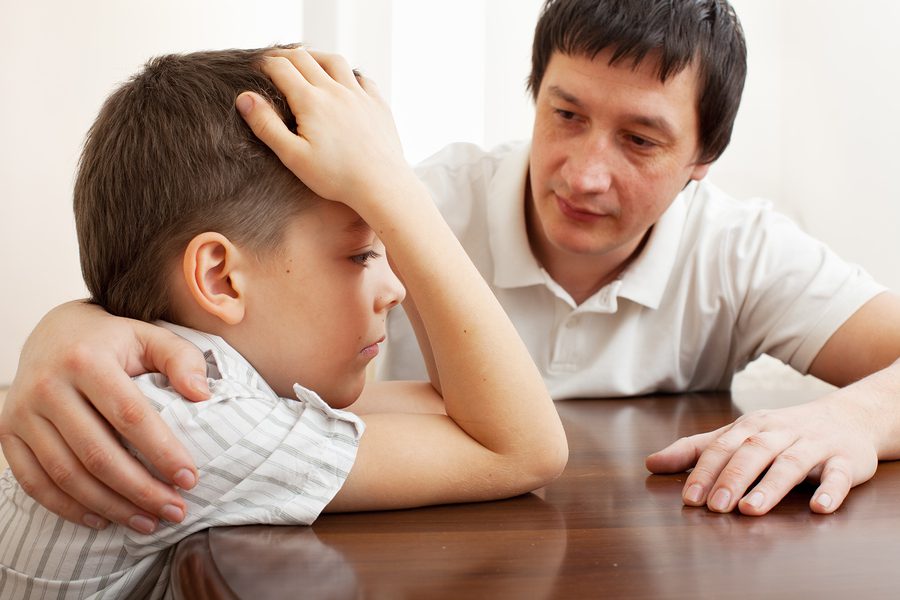
With the epidemic still raging in our neighborhood, there has been a lot of discussion about how to keep kids safe when they return to school. The pupils’ emotional and mental health as they adjust to returning to school, however, should also be a priority. A recent online conversation on how parents and teachers may assist in reducing emotional and mental stress in children was led by Sherlin Chang, Assistant Manager of Early Years Education, Beaconhouse Malaysia, and Rachel Khong, Acting Head of School, Beaconhouse Newlands Early Years (BNEY), Ampang.


With a combined 30 years of experience in the educational field, they have a lot of first-hand knowledge of working with kids and “have dealt with obstacles and pressing matters even more so in the past year,” according to Sherlin. The effects of COVID-19 are felt by both adults and children. Children find it incredibly difficult and difficult to make the large and abrupt transition from learning at school to learning remotely to returning to school.


COVID-19’s effects on children

The Development of Children

The social and emotional development is most impacted. They have a propensity as young children to learn about their environment through touch. This explains why it is difficult for them to comprehend the current situation we are in. Through tactile interactions, children form ties with their classmates and with adults. At school, teachers must steer pupils toward practicing physical distance, especially in the beginning. Before students become accustomed to the Standard Operating Procedures (SOPs), Sherlin continued, “Teachers have to regularly remind the pupils for a few months.


The Art of Unlearning

Reversing children’s learning is the other challenge. Because kids loved to share their possessions with their pals before COVID, parents would frequently discover colored pencils missing from their kids’ bags or an eraser that they had never purchased slipping into a pencil case. Sharing is caring has always been emphasized to children, but in light of the epidemic and the necessity to adhere to SOPs, teachers are attempting to reverse this lesson and help the kids comprehend the current scenario. In order to prevent the students from sharing supplies among themselves, one of the things the teachers do is provide each student with their own stuff in a separate basket.


Separation Stress in Children and Parents

The teachers have seen kids come in with separation anxiety after being at home with their parents for a year. The parents also experience separation anxiety, in addition to the kids. They feel uncomfortable since the school setting is different from the comforts of home. They cry or get irritable as a result.


Children Rely on Parents and Other Adults

These kids are totally reliant on their parents or other caregivers, who have been there for them all year. Because of this, they are unable to perform routine tasks like zipping their bag or tying their shoes.


Addiction to Technology

Additionally, they have a serious device addiction. There’s no denying that technology and gadgets have become kids’ greatest friends since the way that people study has changed in the educational system. As kids return to school, these difficulties have added up to mental and emotional stress. Saying to kids that this is the new normal is difficult, according to Sherlin. The new norm, which mandates that the kids adhere to SOPs and segregate at their assigned table, differs from how they typically study. It is crucial that both parents and teachers are aware of any indications that the pupils may be under mental or emotional stress during this time of adjustment.

Children’s Signs and Symptoms of Mental and Emotional Stress

1. Crying lasts more than 10 minutes, which is not typical for children’s crying.

2. They don’t have a hunger for food. Sherlin recalled seeing some kids licking chocolates while taking classes at home since she had been observing the kids’ behavior since remote learning began. It is necessary to make some adjustments because this behavior was formed at home. The teachers frequently get asked, “When is snack time? I’m famished.

3. Some kids also struggle with a lack of desire to learn in the classroom. “I don’t know” and “I don’t want” are frequent expressions that teachers often hear from students.

4. Talking excessively is another indication that your youngster is under mental and emotional strain. They frequently interrupt their companions and go on lengthy conversations even when not necessary.

5. Being happy is another damaging stress symptom that you might not anticipate. While their actions seem to indicate joy, this is really just a mechanism for them to hide their fear of being in a strange place with people they don’t know.

6. They are unable to stay in one position for an extended period of time, therefore using the restroom is a fantastic justification for them to get up and move around to relieve their anxiety.

7. Abnormally exhausted. This is because their ability to sleep at home is being compromised. They have become used to waking up 15 minutes before courses after a year of getting used to remote learning. They would have to get up an hour early for physical education class so they could take a shower and get ready for school.


Parents who are having trouble solving this issue are advised to:

Do not order.

As parents or adults, we frequently issue orders or make derogatory remarks to communicate our intentions. Although they are frequently employed in our daily lives, the words “no,” “don’t do that,” and “stop it!” are all negative in nature. When you want to stop your child from doing something, rather of yelling at them, offer them alternatives by saying, “Maybe you can do this instead of doing that.” In this approach, kids won’t feel pressured into doing anything and can accept it with open hearts.


Encourage them to use gadgets sparingly.

The easiest way to deal with this issue is not to tell your child that they are spending too much time on devices and that you need to take away their phone or iPad. You should teach your youngster to use technology responsibly as an adult. This can be achieved by creating a timetable with a detailed routine for the permitted usage of certain devices. This brings up the next point.


Schedule your time at home.

Even while we don’t want to make kids feel overburdened at home, having a timetable will greatly aid your child in adjusting to their schedule at school. How can a schedule be used to its fullest at home? Sherlin suggests that parents utilize visual schedules for their young children since youngsters find images and colors more engaging. Schedules can also encourage independence and self-control in your kids, especially when it comes to bedtime.


Allow them to feel stress so they can deal with it.

It’s crucial for parents to let their kids experience stress since, after all, stress is a normal human feeling. So that you may better comprehend their emotional and mental demands, it is your responsibility to assist them in recognizing these feelings and dealing with them. You will be able to help them choose healthy options so they may let go of that emotion by allowing them to feel that sensation.


保持开放的心态。

Being a good listener as a parent is essential to solving this issue. Parents must listen with the intent to understand and then respond appropriately. Your youngster might stop sharing with you in the future if they feel that your answer is dismissive. Most of the time, if approached gently and truly, youngsters who are having issues would be pleased to open up. They will get the opportunity to discuss their issues by responding to basic questions like “How’s your day?” and “How are things doing at school with your friends and studies?” Children need to feel free to express their emotions, thus parents and teachers need to foster that environment.


Overall, in order to address these problems and find solutions, parents and teachers must collaborate closely. At this stage, coordination between the two parties is crucial to ensuring that students maintain their regular school schedules even while they are learning remotely. You might also consider sending them to private tutoring to cope up with their syllabus. Get a flexible schedule with private lessons all customized to your learning needs. Get connected with top tutors and scorers from international and university curriculums here today. Check us out at www.tigercampus.com.my


立即注册免费试用! https://www.tigercampus.com.my/free-trial/ 

立即通过 WhatsApp 联系我们进行咨询:+6016-247 3404 https://wa.link/avrou0

分享:

相关文章

A-Level考试前你需要知道的一切

对于在马来西亚本地教育体系中学习超过十年的学生而言,GCE A-Level考试是他们升入高等院校或继续深造前的最后一项考试。由于考试难度高且时间有限,备考A-Level的学生通常会埋头苦读,加倍努力复习。

在线直播IGCSE辅导的7大优势

IGCSE是一项全球认可的证书。此外,由于世界各地众多学生都选择IGCSE,因此课程竞争相当激烈。它也是大学在录取学生时最常参考的证书之一。因此,脱颖而出的理想方法是……

根据2022年QS世界大学排名,马来西亚顶尖大学排名如下

由 Quacquarelli Symonds (QS) 发布的 2022 年 QS 世界大学排名,将全球最优秀、最杰出的大学进行比较。马来西亚最古老的大学——马来亚大学 (UM) 的排名下滑至第 65 位。​​尽管排名下降了 100 位,马来亚大学仍然保持着世界百强大学的地位。

数学和统计学有什么区别?

五种方法简化数学课程作业

家庭作业是教育和学习的重要组成部分,因为它能帮助学生运用所学知识。说起来容易做起来难,数学作业尤其如此。数学作业可能会引发数学焦虑和挫败感。找到简化数学作业的方法可以减轻学生的畏惧感。学生们……

虎数学

感谢您联系TigerCampus。我们将在1-2个工作日内与您联系。

与世界分享

[affiliate_conversion_script amount="15" description="免费试用弹窗" context="联系表单" status="unpaid" type="lead"]